
Keep Your Pets Safe During Extreme Heat
Summer is a wonderful time to enjoy the outdoors with our pets—but when temperatures climb, even routine activities can become dangerous.
Unlike people, pets cannot regulate their body temperature as efficiently. Dogs primarily cool themselves by panting, while cats have only limited ability to sweat through their paw pads. During periods of excessive heat and humidity, they can quickly overheat, putting them at risk for heat exhaustion and life-threatening heatstroke.
Whether you’re heading out for errands, planning a walk, or spending time outside, taking a few simple precautions can help keep your pet safe.
Every summer, veterinarians treat animals suffering from heat-related illnesses that are often entirely preventable. Something as simple as leaving a pet in a parked car for a few minutes, exercising during the hottest part of the day, or not recognizing the early warning signs of heatstroke can quickly become an emergency.
The good news is that with a little planning and awareness, most heat-related emergencies can be avoided.
Never Leave Your Pet in a Parked Vehicle
One of the most common—and tragic—causes of heatstroke is leaving a pet inside a parked vehicle.
Many people assume that cracking the windows, parking in the shade, or leaving the air conditioning running will keep a vehicle cool enough. Unfortunately, that’s simply not the case. The temperature inside a car rises rapidly, even on days that don’t feel excessively hot.
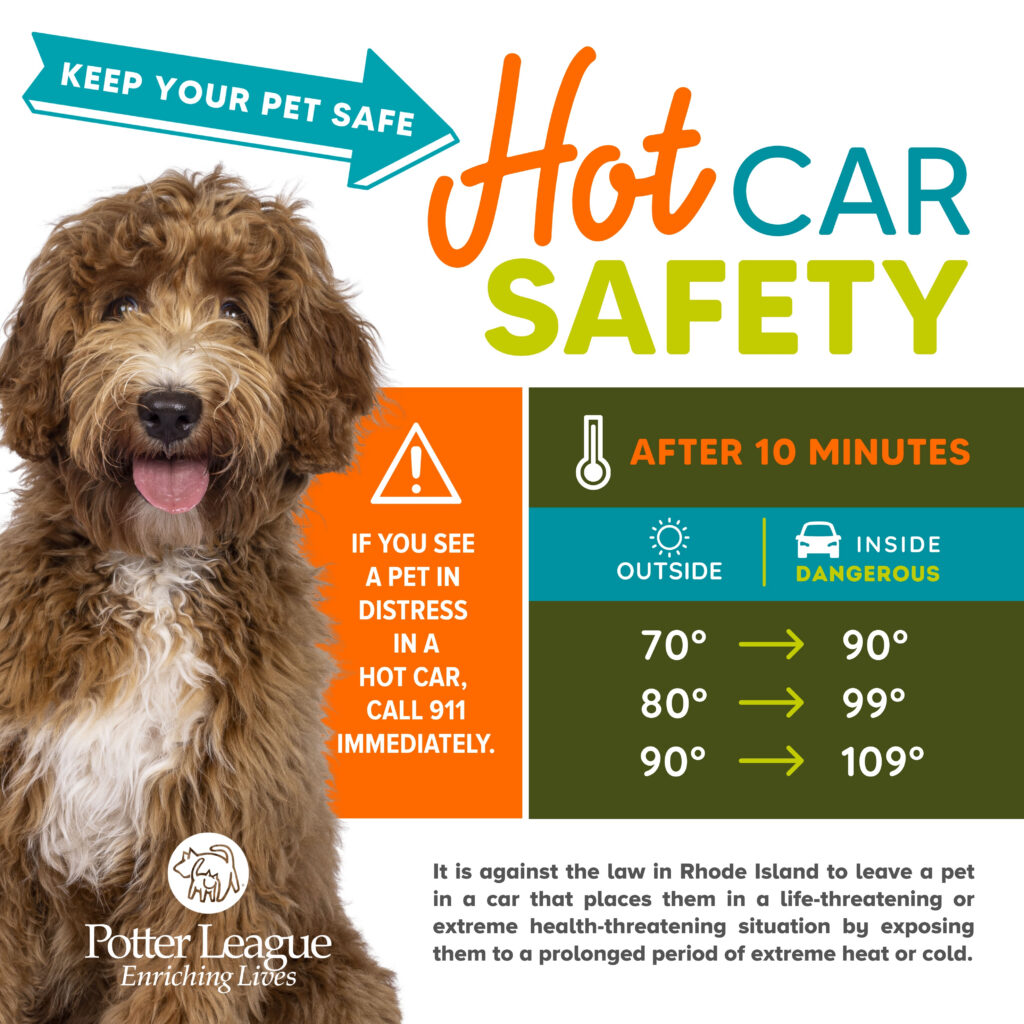
After just 10 minutes:
70°F outside = approximately 90°F inside
80°F outside = approximately 99°F inside
90°F outside = approximately 109°F inside
Even if the air conditioning is running, vehicles can overheat, stall, or experience mechanical failures without warning. If you need to run errands, the safest place for your pet is at home where it’s cool and comfortable.
If you see a pet showing signs of distress inside a parked vehicle, call 911 immediately.
Rhode Island law prohibits leaving an animal in conditions that create a life-threatening or extreme health-threatening risk due to excessive heat or cold.
Recognizing the Signs of Heatstroke
Heatstroke is a medical emergency, and recognizing the warning signs early can save your pet’s life.
Dogs don’t sweat the way humans do. Instead, they rely primarily on panting to cool themselves. When they can no longer regulate their body temperature, their condition can deteriorate quickly.
Watch for signs such as:
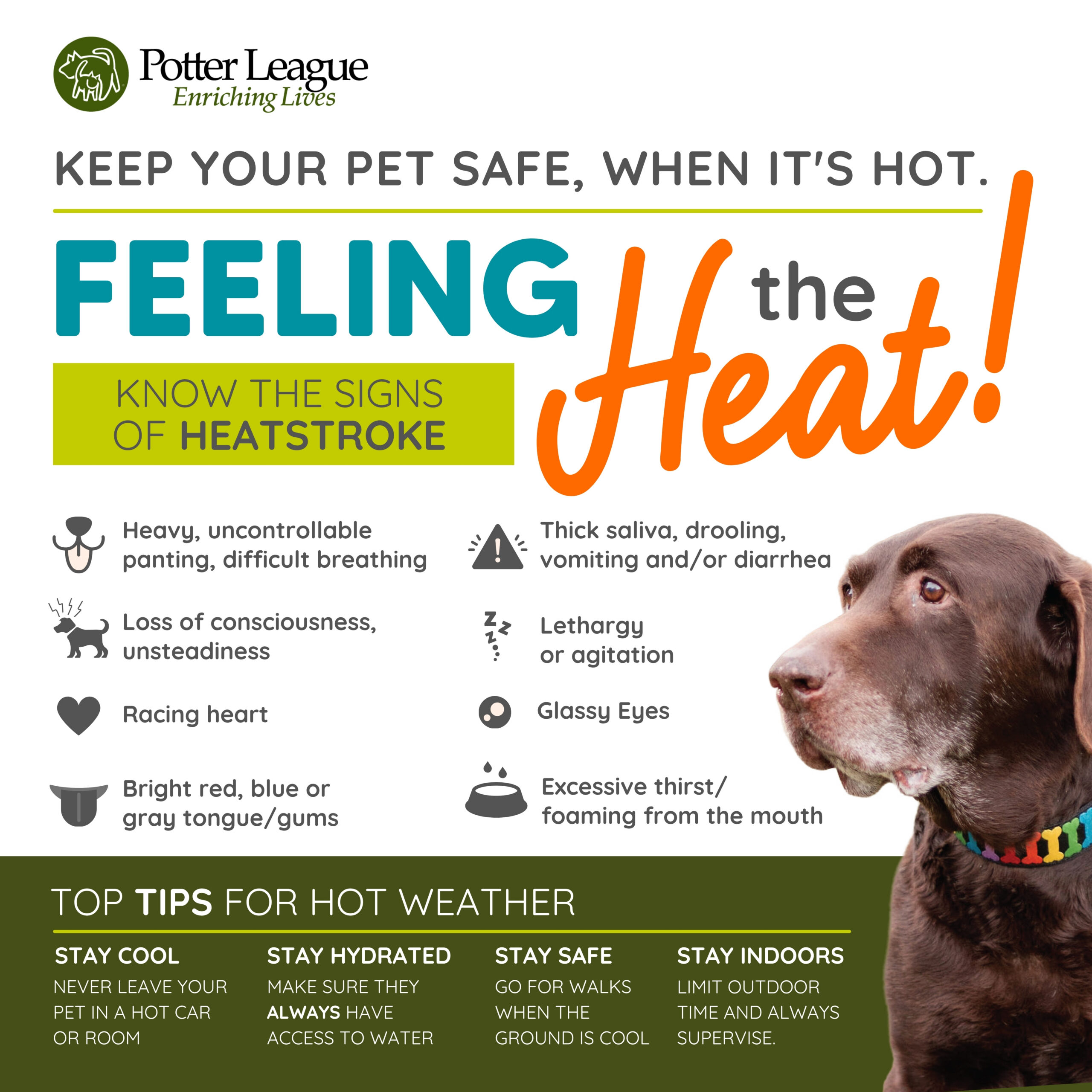
- Heavy, excessive panting or difficulty breathing
- Thick drooling or foaming at the mouth
- Vomiting and/or diarrhea
- Lethargy, weakness, or unusual agitation
- Racing heart
- Glassy eyes
- Bright red, blue, or gray gums and tongue
- Collapse, stumbling, or loss of consciousness
If your pet is showing any of these signs, move them to a cool area and seek veterinary care immediately. While waiting for transport, you can begin cooling your pet by offering cool (not ice-cold) water if they’re alert enough to drink and applying cool water to their body, especially the belly, paws, and groin. Avoid using ice or ice baths, which can actually make cooling less effective.
Even if your pet appears to improve, they should still be evaluated by a veterinarian, as heatstroke can cause serious internal damage that isn’t always immediately visible.
Do not delay seeking veterinary care simply because your pet appears to improve. Heatstroke can continue causing internal damage even after the body begins to cool.
Avoid using ice baths or extremely cold water, which can actually slow the cooling process.
Preventing Heat-Related Emergencies
The best treatment for heatstroke is preventing it from happening in the first place.
Fortunately, a few simple habits can dramatically reduce your pet’s risk during hot weather:
- Walk your dog early in the morning or later in the evening when temperatures are lower.
- Always provide access to fresh, cool drinking water.
- Avoid strenuous exercise during the hottest part of the day.
- Check pavement before walks. If it’s too hot for the back of your hand for several seconds, it’s too hot for your pet’s paws.
- Provide shade whenever your pet is outdoors.
- Keep pets indoors whenever possible during periods of excessive heat.
- Never leave pets unattended outside for extended periods.
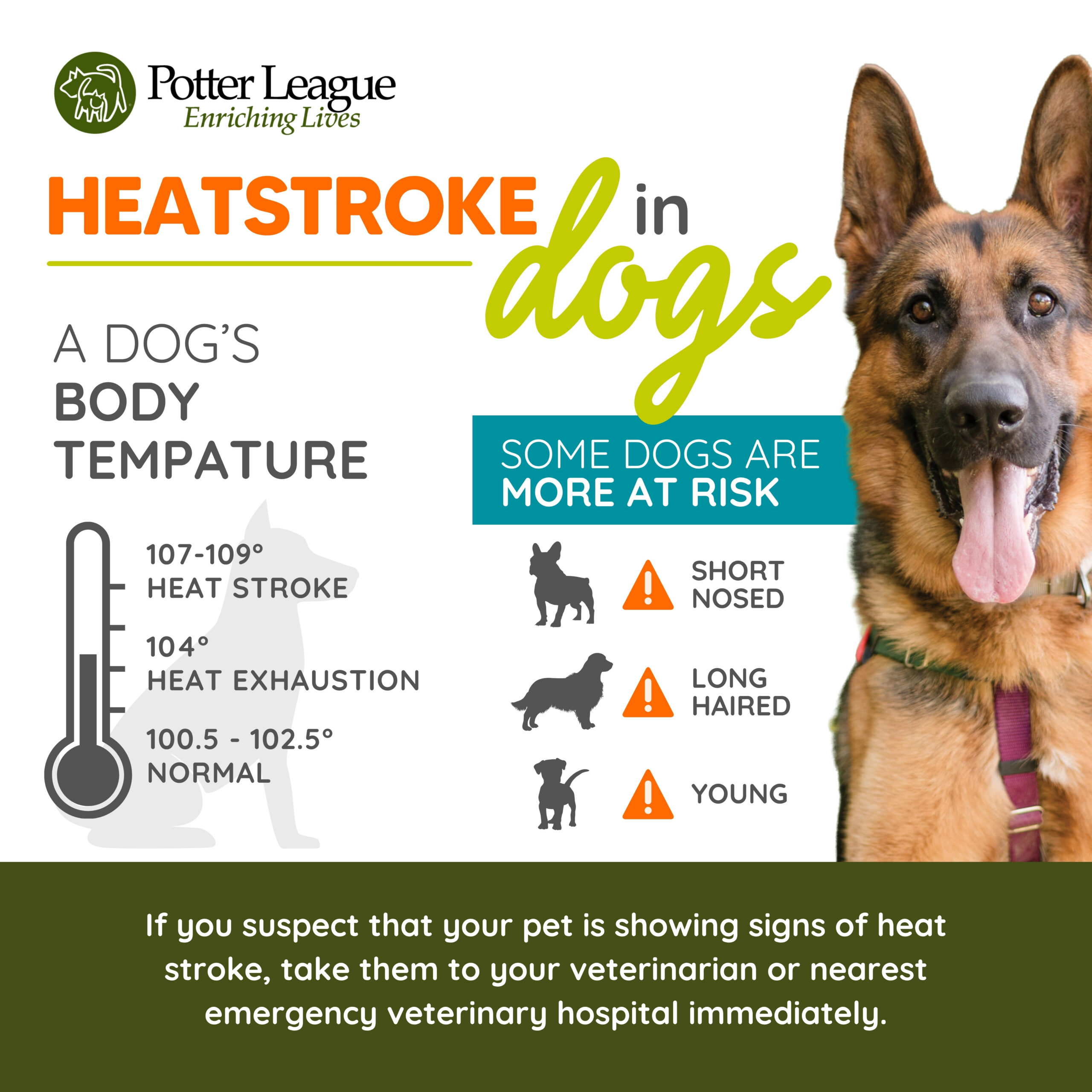
Some pets are especially susceptible to heat-related illness, including puppies and kittens, senior pets, overweight animals, long-haired breeds, brachycephalic (short-nosed) breeds such as Bulldogs, Pugs, and Boston Terriers, and pets with heart or respiratory conditions. These pets may need shorter walks, more frequent breaks, and extra supervision during periods of excessive heat.
A Little Extra Caution Can Save a Life
We know pets are family, and many of us love taking them along on adventures. But during periods of extreme heat, the safest place for them may be at home where they can stay cool and comfortable.
By recognizing the signs of heatstroke, avoiding common risks like parked vehicles, and making a few small adjustments to your daily routine, you can help ensure your pet stays safe all summer long.
If you ever suspect your pet is experiencing heatstroke, don’t wait. Contact your veterinarian or the nearest emergency veterinary hospital immediately. Quick action can save a life.